Sponsored article
In today’s fast-paced healthcare environment, effective collaboration is crucial for ensuring optimal patient outcomes. Simulation-based training offers a unique opportunity for healthcare professionals to hone their teamwork and communication skills in a controlled and safe environment. By engaging in realistic scenarios, medical teams can anticipate challenges, refine their approach, and improve their collective competency. This innovative training method not only bolsters individual abilities but also strengthens the overall healthcare delivery process.
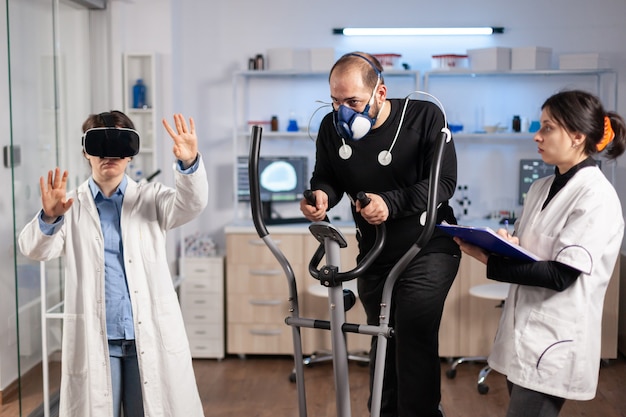
Simulation-based training plays a crucial role in advancing healthcare education by providing a safe and controlled environment where healthcare professionals can enhance their skills and prepare for real-world challenges. Medical simulations replicate clinical scenarios, allowing participants to engage in lifelike situations without the risk of harm to real patients. These scenarios are carefully designed to mimic the complexities of emergency situations and routine procedures, enabling learners to practice decision-making, critical thinking, and technical skills. Simulation-based training also helps bridge the gap between knowledge and practice, ensuring that healthcare professionals are well-prepared for the demands of their field.
One of the key aspects of simulation-based training is its focus on fostering interprofessional teamwork in healthcare. By engaging multiple disciplines in a single simulation, healthcare providers learn to communicate and collaborate effectively across various specialties. This teamwork is essential in delivering high-quality patient care, and simulations offer an ideal platform to practice these skills. Key benefits of simulation-based training include:
Through these practice-driven experiences, simulation-based training significantly enhances collaboration among healthcare professionals, contributing to better patient outcomes and a more cohesive healthcare environment.
Simulation-based training plays a pivotal role in enhancing communication skills among healthcare professionals, offering an interactive platform for practicing both verbal and non-verbal communication in controlled, realistic environments. By immersing participants in simulated scenarios, healthcare providers can refine their ability to convey critical information clearly and assertively, ensuring that all team members are on the same page during patient care situations. This approach helps in breaking down communication barriers and fosters a culture of openness and mutual respect, which is essential for effective healthcare collaboration.
Moreover, these simulations enhance teamwork dynamics by allowing healthcare professionals to engage in role-play scenarios that mimic real-life clinical interactions. Participants learn to anticipate their colleagues’ needs, articulate their thoughts succinctly, and listen actively, which are crucial elements of successful collaboration. The practice of sharing information accurately and timely through these exercises not only boosts individual competence but also strengthens overall team performance, leading to improved patient outcomes and a more cohesive healthcare environment.
Simulation-based training offers significant teamwork benefits by fostering interprofessional collaboration among healthcare professionals. These collaborative exercises are designed to mimic real-world scenarios, enabling team members from diverse healthcare disciplines to work together effectively. As they engage in these controlled simulations, they develop a deeper understanding of each other’s roles, responsibilities, and expertise, which is crucial in high-pressure medical environments. This synergy leads to improved patient outcomes, as team members can seamlessly coordinate care plans, make informed decisions quickly, and address patient needs more efficiently. The practice of working together in simulations helps healthcare teams recognize their collective strength, paving the way for seamless collaboration in actual clinical settings.
Moreover, the shared experiences during simulation training build trust and stronger relationships among healthcare professionals. These exercises encourage open communication, reduce hierarchical barriers, and promote mutual respect, all of which are essential components of successful interprofessional collaboration. By honing these soft skills and establishing a culture of teamwork, healthcare providers become more adept at navigating complex patient cases, ultimately leading to increased efficiency and efficacy in the healthcare delivery process. As a result, simulation-based collaborative training not only equips healthcare teams with technical prowess but also cultivates a supportive environment that enhances overall patient care quality.