Sponsored article
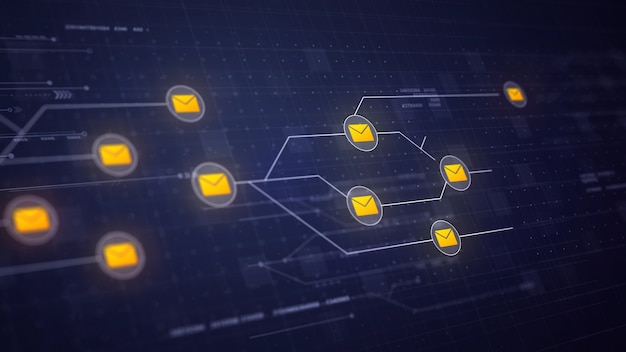
In today’s fast-paced business environment, efficient communication is crucial for success. Automated message forwarding is rapidly becoming an essential tool for organizations aiming to streamline their workflows and enhance team collaboration. By automating the distribution of messages, businesses can reduce response times and ensure that critical information is delivered swiftly and accurately, empowering teams to focus on core tasks and drive productivity.
The evolution of message automation has been a transformative journey in the realm of communication technology. From the early days of manually transferring messages to the recipient, we have seen a remarkable shift towards automated systems that streamline communication and enhance efficiency. These advancements in communication technology have played a pivotal role in redefining how businesses and individuals interact. With the advent of message automation, there is a significant reduction in the need for human intervention, leading to smoother, faster exchanges of information. This automation not only reduces the likelihood of human error but also ensures that messages reach their destinations promptly and reliably.
One of the key innovations in this domain is the SMS to Email feature. This particular advancement epitomizes how message automation can optimize workflows by seamlessly integrating different communication channels. By automatically forwarding SMS messages to email, this feature eliminates the tedious manual process of checking multiple communication platforms, thereby enhancing productivity. Organizations leveraging such technologies experience heightened workflow optimization as unnecessary manual tasks are minimized, allowing staff to focus on more strategic activities. As message automation continues to evolve, it promises even greater integration and efficiency, paving the way for a future where communication barriers are virtually non-existent.
Automated message forwarding presents numerous advantages for those seeking to enhance communication efficiency within their organizations. As businesses grow and the volume of communications increases, manual message distribution can become a bottleneck. Automated message forwarding eliminates this issue by streamlining the process, ensuring that messages are quickly and accurately sent to the right recipients. This automation minimizes human error, which can lead to misunderstandings and missed information. Moreover, it facilitates seamless communication across different platforms and devices, ensuring consistency and reliability in message delivery.
By incorporating automated message forwarding, organizations can enjoy significant time-saving benefits. The process requires little manual intervention, allowing employees to focus on more critical tasks rather than managing messages. Key benefits include:
Ultimately, this leads to a more productive and efficient workplace, where communication flows smoothly, fostering better collaboration and decision-making.
Implementing automated systems in your business can revolutionize communication efficiency, particularly through automated message forwarding. By embracing business automation, companies unlock potential for seamless integration of communication processes, leading to improved operational efficiency. Integration strategies are vital for businesses aiming to adopt automated systems, ensuring that all communication channels work harmoniously. Leveraging technology solutions like AI-driven algorithms and cloud-based platforms can facilitate the customization and scalability of automated message forwarding systems, empowering businesses to keep pace with dynamic market demands.
To maximize these benefits, companies should assess their current communication infrastructure and identify gaps that can be filled with automation. This involves selecting technology solutions that align with specific business needs and the overall automation strategy. Furthermore, ongoing training and support are essential for staff to adapt to new systems, ensuring a smooth transition and sustained efficiency gains. By strategically integrating automated message forwarding, businesses can enhance responsiveness, reduce human error, and improve client satisfaction.