Sponsored article
Heat exchangers play a vital role in improving the energy efficiency of modern homes. By transferring heat between two or more fluids without mixing them, these devices optimize heating and cooling processes, leading to significant cost savings and enhanced comfort. Understanding the types and benefits of heat exchangers can empower homeowners to make informed decisions about incorporating them into their homes for better efficiency and lower environmental impact.
Heat exchangers play a crucial role in improving the energy efficiency of your home’s heating and cooling systems, resulting in substantial energy savings and cost reduction. By transferring heat between different media, these devices ensure that less energy is wasted in the process, optimizing the performance of HVAC systems. This efficient transfer of heat leads to a reduced workload for your heating systems, which ultimately lowers your utility bills and contributes to significant cost savings over time.
Additionally, using heat exchangers can have a positive environmental impact by reducing the amount of energy required to maintain a comfortable home environment. Consider the benefits of integrating heat exchangers into your home:
Explore more efficient heating solutions at https://alfaheating.com.
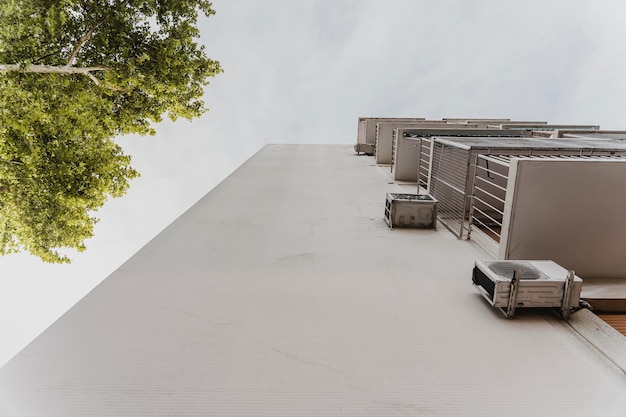
In the realm of home heat exchangers, there are several types tailored for residential applications, each designed to optimize energy efficiency in distinct ways. Air-to-air heat exchangers, for instance, are common in ventilation systems and work by transferring heat between two separate air streams, ensuring that fresh air entering the home is pre-heated by the outgoing stale air. This process not only conserves energy but also maintains indoor air quality without significant heat loss. Their application is particularly beneficial in colder climates where retaining warmth is crucial, yet air circulation and quality cannot be compromised.
Another popular type of heat exchanger for residential use is the plate heat exchanger. These devices are efficient for water heating systems, where heat is transferred across thin metal plates to heat water rapidly and efficiently. Shell-and-tube heat exchangers, meanwhile, are more robust and often used in scenarios requiring higher pressure and temperature tolerance, such as in home boilers or pool heating systems. By integrating these diverse types of home heat exchangers into residential settings, homeowners can significantly improve energy efficiency and reduce heating costs.
When installing heat exchangers in your home, it’s crucial to ensure professional precision to maximize efficiency and longevity. Proper installation begins with selecting the right size and type for your specific needs, considering both the layout of your heating system and your energy efficiency goals. Engaging a qualified technician for the installation process can prevent common pitfalls, such as improper sealing or incorrect alignment, which can drastically reduce performance and increase energy consumption. Moreover, correct installation sets the stage for effective maintenance, ensuring your home remains comfortable and energy-efficient throughout the year.
To maintain peak efficiency and extend the lifespan of your heat exchanger, regular maintenance is essential. Routine inspections should focus on cleaning and examining all components for wear and tear, as dirt or corrosion can severely affect operational efficiency. Replace filters regularly, and schedule professional assessments annually to catch potential issues early. Keeping the system well-maintained not only preserves its efficiency but also enhances the overall longevity, guaranteeing that your investment continually pays off in energy savings.