Sponsored article
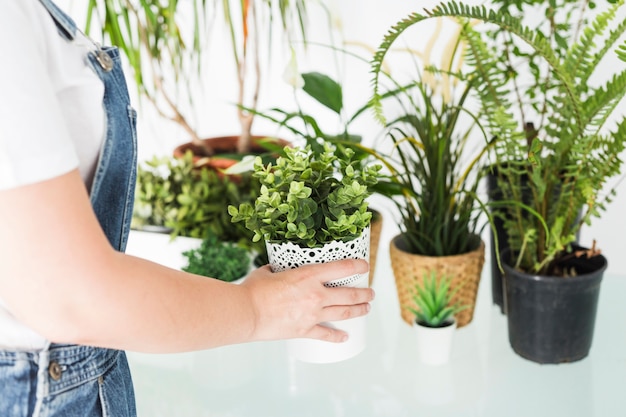
Transforming your home into a thriving indoor garden offers numerous benefits, from enhancing your living space with natural beauty to improving air quality. Whether you’re a seasoned green thumb or a beginner, knowing how to cultivate an indoor garden is key to ensuring your plants flourish. This guide will delve into essential tips, from selecting the right plants to maintaining optimal care conditions. Get ready to embark on your indoor gardening journey and watch your home green up with life.
When embarking on the journey of cultivating a thriving indoor garden, choosing the right plants for your space is crucial. The first consideration is the level of natural light your home receives, as this will guide your selection of indoor plants. If you have an abundance of bright light, plants like succulents and cacti, which flourish in these conditions, can be an excellent choice. However, if your home is on the shadier side, don’t worry; there are numerous low-light plants that can thrive with limited sunlight. Varieties such as pothos, snake plants, and ZZ plants are resilient and adaptable, making them suitable houseplants for less sunny environments.
For those new to indoor gardening, selecting the best indoor plants for beginners can set you up for success. Spider plants, peace lilies, and philodendrons are not only low-maintenance but also forgiving if you’re still learning the intricacies of plant care. These species typically require minimal watering and are less prone to pests, making them ideal companions for novice gardeners. By understanding the specific needs of these popular houseplants and how they align with your available environment, you can cultivate a garden that will thrive indoors. Embrace your green thumb with confidence and start building a lush indoor oasis today!
Optimizing indoor lighting is crucial for cultivating a thriving indoor garden as light is a key factor in plant photosynthesis. Understanding the light requirements for plants is essential; most plants need bright, indirect light to flourish. Natural light, streaming through windows, can be an excellent source, but it must be managed properly. Placing plants near windows aiming for east or south exposure, where they can receive ample sunlight, is often beneficial. Consider rotating plants periodically to ensure all sides receive even light exposure and prevent uneven growth. Low light plants can thrive in north-facing windows or shaded areas, making it important to know your plant’s specific light needs. However, solely relying on natural light might not suffice for all scenarios, particularly during shorter winter days.
Grow lights serve as a practical solution for supplementing natural light and meeting the specific light requirements for plants. When selecting grow lights, opt for LED or fluorescent lights, which are energy-efficient and provide the full spectrum of light necessary for photosynthesis. Consider these tips for choosing grow lights:
By analyzing the needs of your indoor garden, you can effectively balance natural and artificial lighting to create an environment where your plants can thrive.
Watering indoor plants effectively is a crucial component of successful plant care. To start, understanding that each plant has specific moisture needs is paramount; while some may thrive in consistently damp soil, others prefer that their soil dry out between waterings. To determine when to water, check the moisture levels by inserting your finger an inch into the soil—if it feels dry, it’s usually time to water. For more accuracy, invest in a moisture meter. This simple testing can prevent overwatering, a common issue that can lead to root rot, by ensuring plants only receive water when necessary.
Developing a watering schedule that aligns with the diverse requirements of your indoor garden will enhance your plant care routine. Begin by grouping plants with similar watering needs together, making it easier to manage and adjust your approach as conditions such as light and temperature change. Consistency is key, so adapt your schedule as the seasons shift, paying attention to how indoor climates fluctuate. Over time, you’ll cultivate an intuition for your garden’s needs, leading to robust, thriving plants.