Sponsored article
The allure of medieval armor lies not only in its formidable function but also in its exquisite design and the stories it tells about the past. From the majestic suits that protected knights on the battlefield to the intricate craftsmanship of skilled armorers, medieval armor reveals a fascinating intersection of artistry and utility. This article delves into the historical evolution, crafting techniques, and cultural significance that defined these protective masterpieces, offering a comprehensive look at their enduring legacy.
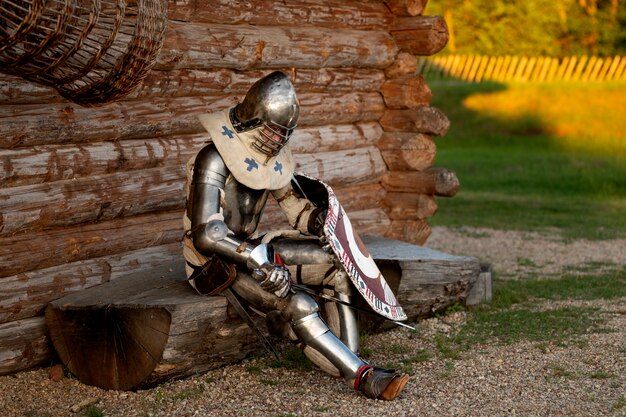
The medieval armor evolution is a fascinating journey through history, showcasing the ingenuity and adaptability of craftsmen responding to the changing demands of warfare from the 5th to the 15th century. As warfare strategies and weapon technologies evolved, so did the armor worn by knights and soldiers across Europe. Early medieval armor was primarily made of chain mail, which offered flexibility and protection. However, as heavier weapons like the crossbow gained popularity, armor began incorporating more rigid materials, such as steel plates, to provide additional defense. By the 14th and 15th centuries, the full plate armor became prevalent, offering maximum protection on the battlefield. This evolution varied significantly by region, influenced by local conflicts, climate, and available materials.
In discussing the types of medieval armor and their historical development of armor, several key developments stand out:
Medieval Depot offers an extensive range of body armor for sale that reflects these historical changes, perfect for both collectors and enthusiasts interested in the rich tapestry of armor design.
The armor craftsmanship of medieval times stands as a testament to the exceptional skills of the artisans and medieval blacksmiths who dedicated their lives to perfecting the art of protection and aesthetics. Armor-making techniques involved intricate processes that could take weeks or even months to complete. From selecting the finest iron or steel to tempering it to withstand the might of weapons on the battlefield, every step required precision. Each piece of armor, whether a helmet, breastplate, or gauntlet, was meticulously hand-forged and shaped, often taking into account the specific measurements and needs of the individual wearer. The crafting of armor was not merely a task but a respected profession that demanded a deep understanding of metallurgy, design, and function.
Armorers in medieval times were not just blacksmiths; they were artisans who elevated their work to a form of artistic expression. Through their efforts, they ensured that each suit of armor was not only functional but also a masterpiece that conveyed status and power. The importance of these artisans lay in their ability to blend protection with beauty, enabling knights and warriors to carry a symbol of their rank and prowess into battle. The intricacies involved in chainmail weaving or the delicate embossing of plate armor reflect not only the technical expertise but also the creative vision of their makers. Thus, the role of armorers was crucial in shaping both the practicalities of medieval warfare and the visual splendor of its armed nobility.
Armor design during the medieval period was not just a matter of functionality and protection; it was also deeply intertwined with the cultural influences on armor. The details of a knight’s armor could reflect the prevailing religious beliefs, heraldry, and the region’s artistic styles. For instance, the inclusion of intricate engravings and embellishments was often rooted in the cultural and spiritual symbolism cherished by the wearer. Armor was a canvas that demonstrated the wearer’s social rank, familial lineage, and allegiances, embodying the core of medieval society and armor significance. This cultural richness turned armor into an art form that symbolized the virtues and beliefs held by knights and nobility, making each piece unique to its owner.
Armor’s design was also a visual representation of power and authority. The symbolism in armor design communicated a clear message about the wearer’s status and role in societal hierarchy, both on and off the battlefield. Important design elements often included:
These elements not only served a practical purpose but also solidified the armor’s role as a cultural artifact within medieval society, bridging the gap between utility and art through the narrative of its wearer.